Beyond the Flat Screen
For over a decade, flat design ruled the digital landscape. Championed by early iOS 7 and Material Design, it was clean, highly scalable, and structurally predictable. But in 2026, as hardware capabilities max out and augmented reality (AR) paradigms bleed into desktop and mobile experiences, flat UI feels overwhelmingly lifeless. We are no longer designing for purely 2D canvases. We are in the era of Spatial UI.
The Catalyst: Hardware and Mixed Reality
The shift wasn't driven by boredom; it was driven by technology. With the proliferation of high-refresh-rate OLED displays and the normalization of spatial computing headsets, users have been retrained to expect depth. They expect digital elements to occupy a physical volume.
Core Principles of Spatial Interfaces
Spatial UI is not a regression to the tacky skeuomorphism of 2010—we aren't bringing back stitched leather and green felt. It is a highly refined, mathematical approach to depth. It relies on subtle visual queues to establish a physical hierarchy.
- Z-Axis Hierarchy and Volumetric Shadows: Instead of relying solely on color contrast or font weight to denote importance, Spatial UI elevates primary actions along the Z-axis. This is achieved through multi-layered, diffuse drop shadows that mimic natural, ambient lighting rather than harsh directional light.
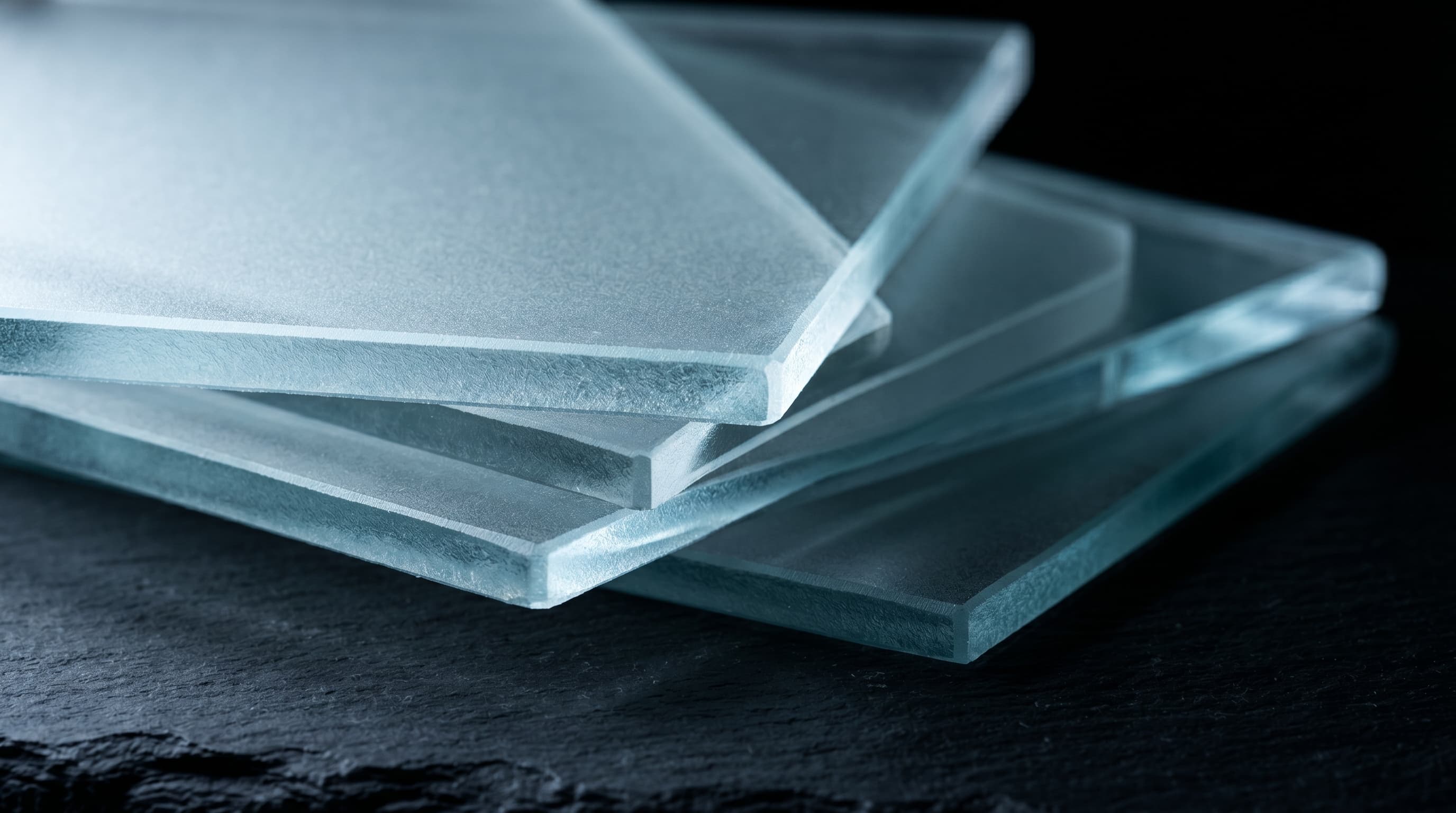
- Contextual Transparency (Glassmorphism): Opacity is no longer just an aesthetic choice; it is functional. Background blur (
backdrop-filter) allows users to maintain subconscious context of where they are in the application, even when an overlay or modal is active. It mimics looking through frosted glass. - Dynamic Materiality: Elements react to their environment. Buttons might catch a subtle glare as the cursor moves over them. Borders might illuminate based on proximity.
Motion as a Physical Property
In flat design, animations were linear. A modal slid up in 300 milliseconds. In Spatial UI, animations must obey the laws of physics. We use spring dynamics—calculating mass, stiffness, and damping—to make elements feel tangible.
"When a user swipes a card away, it shouldn't just disappear; it should carry momentum, experience friction, and rest naturally. Digital interfaces must breathe."
Premium digital experiences now require users to feel like they are interacting with physical objects trapped behind glass. If your application relies entirely on #FFFFFF backgrounds and 1px solid borders, you are designing for the past.